Embracing the Call: The Journey of Ordained Ministers in Modern Faith Communities
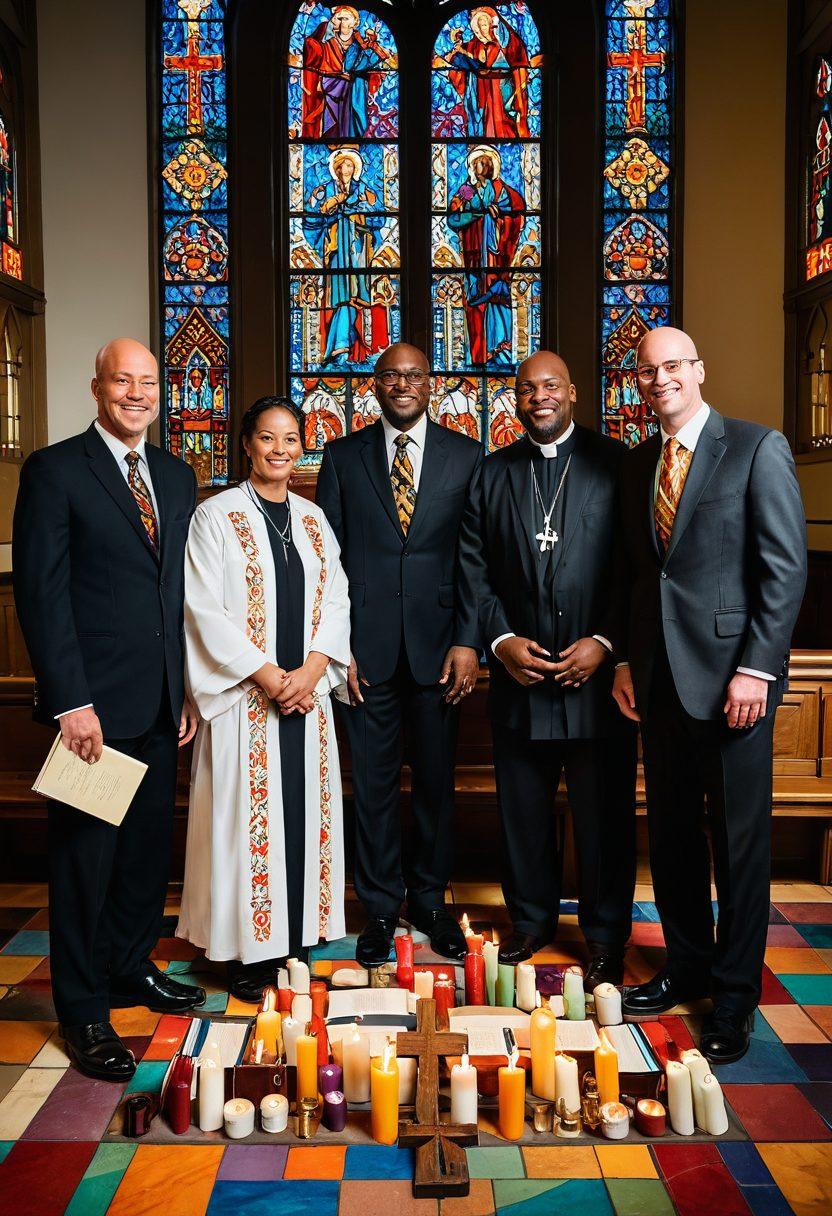
In a world that is ever-changing and filled with uncertainties, the role of ordained ministers in modern faith communities has never been more vital. Picture this: a warm, inviting church filled with people from all walks of life—each seeking a deeper connection to their spirituality. The ordained minister stands at the front, a beacon of hope and wisdom, guiding the congregation through life's many challenges. This image encapsulates the essence of navigating the sacred path that ordained ministers tread, as they shape modern belief systems and nurture spiritual growth within their communities. How do they do it?
Ordination is not just a title but a profound commitment to serve a higher purpose. Ordained ministers carry the weight of expectation—the responsibility to lead their congregations with grace and wisdom. As they delve into sacred texts and theology, they unlock deeper meanings that resonate with their community's unique beliefs and spiritual journeys. They are not only clergy but also spiritual leaders, nurturing souls, and fostering a sense of belonging. The question arises: how do these leaders ensure that their message remains relevant in today’s fast-paced world?
At the heart of an ordained minister's mission lies pastoral care. It involves more than just conducting services; it’s about being present for individuals during both joyous celebrations and times of sorrow. Imagine an ordained minister sitting with a family grieving a loss, offering divine guidance through prayer and scripture. The power of such moments is irreplaceable. It’s a reminder that faith-based communities aren’t just about worship; they’re about building relationships that foster healing and reconciliation. Have you ever considered the impact your spiritual leader has had on your own life's journey?
Faith journeys aren’t taken alone. The sacred relationship between ordained ministers and their congregation serves as a catalyst for spiritual growth and connection. Each sermon crafted, every sacrament administered, weaves a rich tapestry of shared beliefs and collective experiences. Ordained ministers not only preach the gospel but also encourage their followers to explore and embody their own spirituality. This collaborative journey challenges individuals to ask themselves: what does faith mean to me in today’s world, and how can I contribute to this ongoing mission of love and understanding?
Ultimately, the role of ordained ministers in shaping modern belief cannot be understated. They are the custodians of faith, advocating for the relevancy of the church in a world increasingly fragmented by diverse ideologies and beliefs. As they navigate their sacred path, they invite others to join in their exploration of religion, spirituality, and community. So, the next time you find yourself in a place of worship, take a moment to recognize the ripple effects of your ordained minister’s work. What is their mission, and how does it resonate with your own life and beliefs?
From Theology to Practice: The Role of Clergy in Spiritual Growth
In the fast-paced world we live in, spirituality often gets overshadowed by the hustle of daily life. Yet, amidst this chaos, the role of ordained ministers remains as crucial as ever. These spiritual leaders serve not only as conduits of faith but as beacons of hope and guidance in our journeys of spiritual growth. Have you ever paused to think about the profound impact that ordained ministers have on our lives and the religious community at large? It’s time we dive into the sacred dynamics between theology and practice, and explore how these dedicated individuals shape our understanding of spirituality, grace, and our belief systems.
Ordained ministers are not only knowledgeable about scripture but embody the very essence of what it means to live a life of faith. Their journey begins with ordination, an ecclesiastical ceremony that marks their commitment to serving the church and the community. This act is much more than a formality; it’s a heartfelt acceptance of divine guidance, a proclamation of their mission to nurture the souls within their congregation. As we explore the path from theology to practice, we begin to understand how these spiritual leaders translate ancient sacred texts into actionable insights for modern believers seeking to deepen their faith.
The beauty of the ministry lies in its relational nature. Ordained ministers engage in pastoral care, attending to the spiritual, emotional, and psychological needs of their congregation. They are not merely voices in the pulpit; they are active listeners, empathetic supporters, and trusted advisors. In moments of crisis, their presence becomes a source of comfort. Recall a time when a spiritual leader offered you grace in your struggles—how did their support enhance your faith journey? The stories of love, compassion, and divine intervention shared by such leaders become vital components of our collective spiritual narratives.
As ordained ministers lead their congregations in worship, they transform the church into a sacred space of community and belonging. The gospel is more than just a story; it is a call to action, a reminder that we are part of something larger than ourselves. Through the sacraments and the poignant messages derived from theology, spiritual leaders encourage individuals to maintain a strong connection with both their faith and their own spiritual growth. They inspire their communities, empowering each member to engage in personal practices that nurture the soul, deepen belief, and cultivate a life of purpose.
In conclusion, the role of clergy in our spiritual journeys cannot be overstated. They remind us that while we may start our faith journey as solitary travelers, we are never truly alone. By embracing the teachings of Christianity and the messages of the gospel, ordained ministers illuminate the path toward a deeper, fulfilling spirituality. So, the next time you step into a church or share a conversation with an ordained minister, reflect on the impact their guidance has had on your own growth—after all, we are all part of a grand tapestry woven together by faith, love, and the sacred call to serve.
Divine Guidance in Action: The Vital Mission of Ordained Leaders in Faith Communities
In the intricate tapestry of faith communities, the ordained ministers stand as pivotal threads, weaving together the essence of spirituality, belief, and grace. These spiritual leaders, often perceived solely as ecclesiastical figures, serve a much deeper role. They are the heart and soul of religious communities, guiding congregations through the complexities of their faith journeys. But what does it truly mean to be an ordained minister in today's world? How do these leaders channel divine guidance into their teachings and actions? Let's explore the vital mission they undertake in nurturing and empowering their faith-based communities.
Ordination is more than a ceremony; it's a sacred commitment to a life of service and leadership. Armed with theological training and a profound understanding of sacred texts, ordained ministers navigate the delicate balance between tradition and modernity. They find themselves at the intersection of the ancient and the contemporary, forging new pathways for spiritual growth within their ministries. It's in this commitment that we see the intersection of personal faith and collective belief, as these leaders shepherd their congregations toward deepening their understanding of the gospel and the divine.
Consider this: What happens when a community feels lost, adrift in the currents of modern life? This is where the ordained ministers shine. They offer pastoral care not only through sermons but through genuine engagement with their congregation. By opening their hearts and minds to the struggles of their worshippers, these spiritual leaders embody the grace of their faith. They are the hands and feet of their religious communities, reminding us that spirituality isn't just about doctrines and sacraments; it's about cultivating relationships that foster hope and healing. Such connections can transform lives, bringing solace to souls yearning for spiritual nourishment.
As ordained ministers embrace their call, they also embrace the challenge of being beacons of light in their communities. Their mission extends beyond the walls of the church, often involving outreach and advocacy for social justice, compassion, and community service. In a world rife with division, these leaders are tasked with embodying unity, using their positions to foster understanding and acceptance. “We are not merely leaders; we are servants of the divine,” said one minister, encapsulating the essence of what it means to be a spiritual steward in today's diverse landscape of faith.
In the creation of faith-based environments, where congregations thrive, ordained ministers play a crucial role in shaping beliefs that resonate on deeper levels. They encourage participation in rituals and sacred acts that draw individuals closer to the divine. Through worship, education, and sacred discourse, these spiritual leaders illuminate the path for others, creating spaces where people can explore the depths of their faith without judgment. Thus, we see the embodiment of their mission—to guide, inspire, and nurture congregations through the transformative power of divine guidance, solidifying their place in the ongoing narrative of ministry and religion.